International Humanitarian Law and Documented War Crimes
The First Nagorno-Karabakh War involved serious violations of international humanitarian law by multiple parties.
These included deliberate and indiscriminate attacks on civilians, hostage-taking, mistreatment of prisoners, forced displacement, looting, and destruction of civilian property.
Human Rights Watch's December 1994 report, Azerbaijan: Seven Years of Conflict in Nagorno-Karabakh, remains an important contemporary investigation.
It documented abuses by Azerbaijani forces, Karabakh Armenian forces, and forces from the Republic of Armenia.
It concluded that Karabakh Armenian forces, supported by Armenia, were responsible for the majority of documented violations during the 1993–1994 period covered by the report.
This finding should not be confused with a judgment that only one side committed violations throughout the entire conflict.
Protection of civilians
International humanitarian law prohibits intentionally directing attacks against civilians.
It also prohibits indiscriminate attacks that cannot distinguish military targets from civilian populations.
Civilian displacement resulting from legitimate combat does not automatically constitute a war crime, but forced displacement without lawful justification, attacks designed to terrorize civilians, and the destruction of civilian property without military necessity may violate international law.
Prisoners and hostages
Both sides were accused of abusing prisoners and hostages.
Documented violations included beatings, unlawful confinement, hostage-taking, and killings.
The laws of war require humane treatment of prisoners and people who are no longer participating in hostilities.
Destruction of cultural and religious property
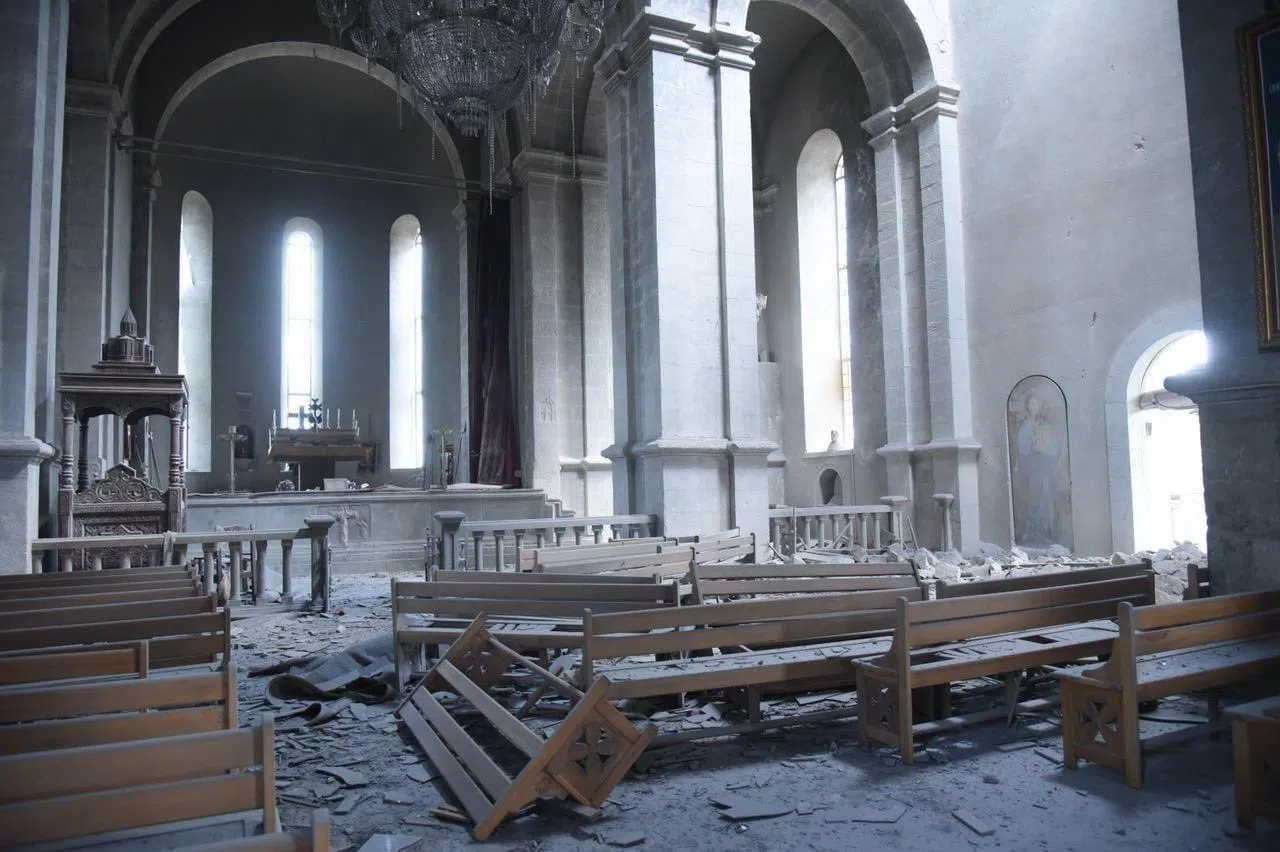
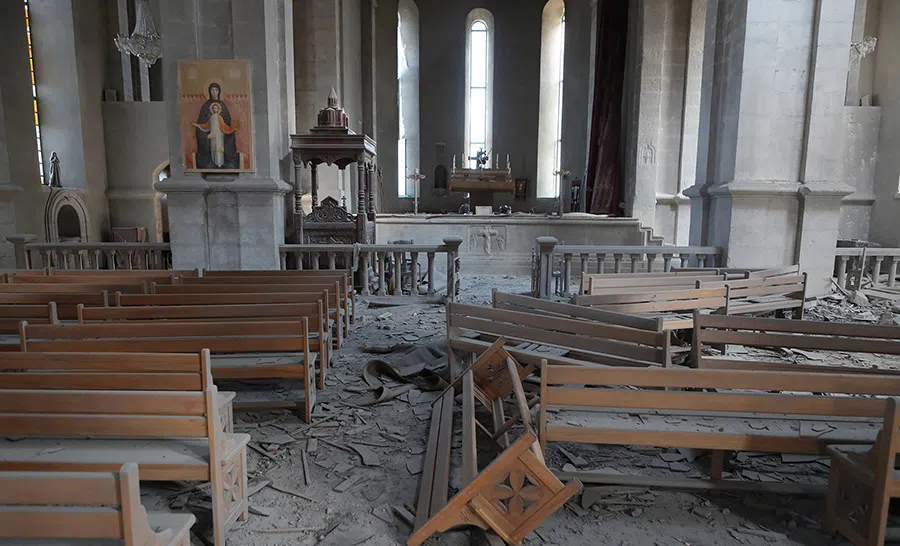
Churches, mosques, cemeteries, monuments, and historic buildings were damaged, destroyed, neglected, or altered during the conflict and its aftermath.
Protecting cultural heritage is a legal and moral obligation regardless of a monument's ethnic or religious association.
Historical investigation must distinguish documented wartime destruction from damage, neglect, or deliberate acts occurring during later decades.