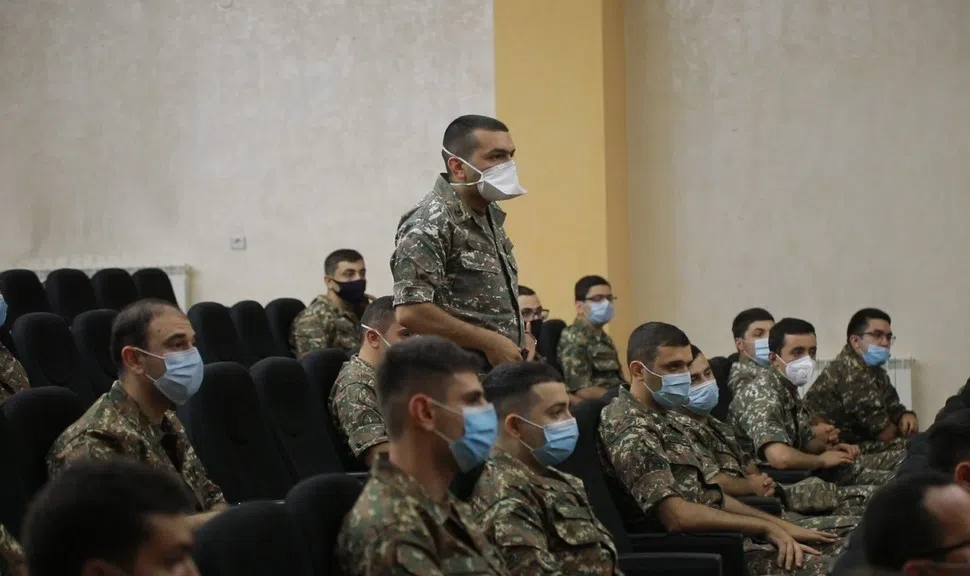
Introduction: A War Rooted in History, Territory, National Identity, and the Collapse of the Soviet Union
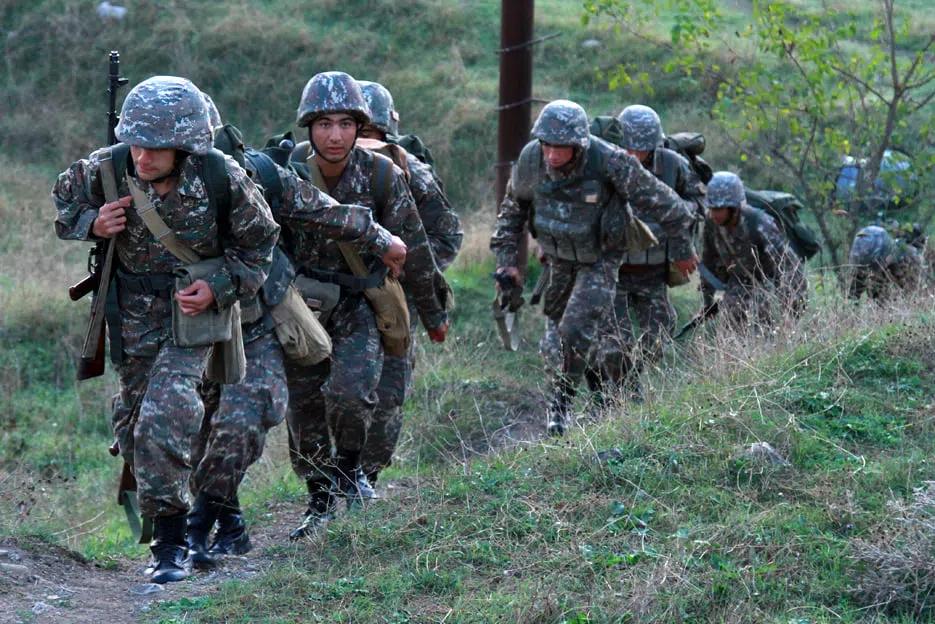
The First Nagorno-Karabakh War was one of the most consequential armed conflicts to emerge from the disintegration of the Soviet Union. The conflict developed from a political and national movement in 1988 into widespread intercommunal violence and, by 1991–1992, a full-scale war involving Armenian forces in Nagorno-Karabakh, the Republic of Armenia, the Republic of Azerbaijan, and armed formations operating throughout the region.
The main period of organized warfare ended with a Russian-mediated ceasefire in May 1994. However, the war's consequences continued to shape the political, demographic, territorial, and security landscape of the South Caucasus for decades.
For Armenians, the conflict became closely associated with the Karabakh Armenian population's demand for self-determination, protection from ethnic violence, and the preservation of its cultural and historical presence in the region. For Azerbaijanis, it became a defining national catastrophe involving the loss of internationally recognized territory, the displacement of hundreds of thousands of people, and the destruction of communities that had existed in and around Nagorno-Karabakh.
These perspectives developed from genuine historical experiences, but neither can substitute for a careful examination of the documented events.
The war resulted in approximately 25,000–30,000 deaths, although estimates vary, and displaced well over one million people when Armenian refugees and displaced persons from Azerbaijan and Azerbaijani refugees and internally displaced persons from Armenia and the conflict areas are considered together. By the 1994 ceasefire, Armenian forces controlled most of the former Nagorno-Karabakh Autonomous Oblast and seven surrounding Azerbaijani districts in whole or substantial part.
Understanding the First Nagorno-Karabakh War requires examining not only the military campaigns but also the region's earlier history, Soviet nationality policy, ethnic violence, political decisions, humanitarian disasters, and unsuccessful attempts to establish a durable peace.