The Battle of Shusha, May 1992
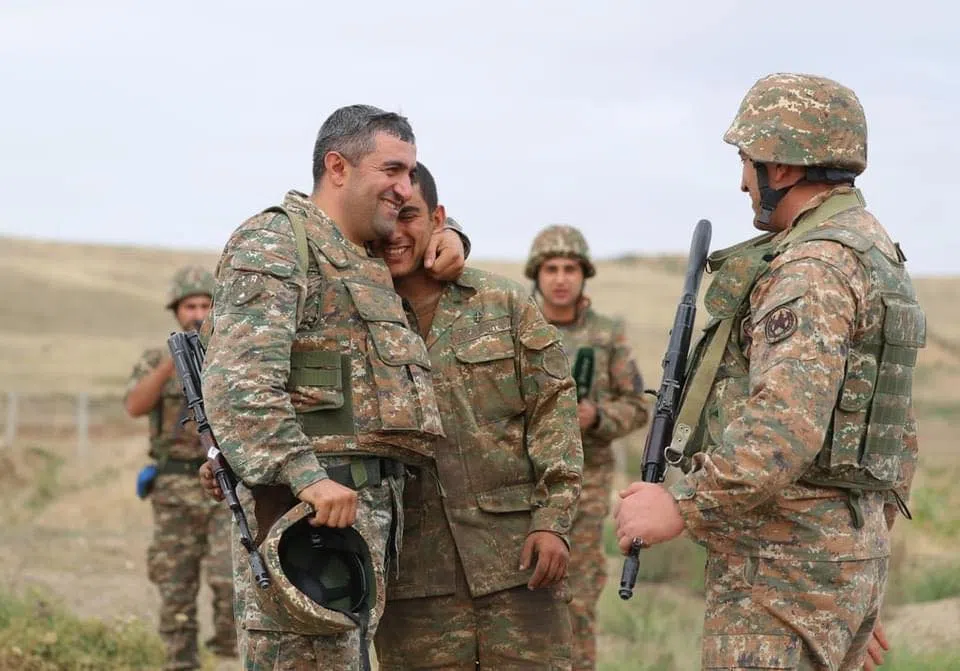
The battle for Shusha was one of the most decisive military engagements of the war.
Shusha stood on high ground overlooking Stepanakert and the surrounding valleys.
Its strategic position made it a major Azerbaijani military stronghold.
Artillery located in or near Shusha had been used to bombard Stepanakert, making the city a central objective for Armenian forces.
Armenian military preparations
Armenian commanders prepared an operation to seize Shusha using coordinated attacks from several directions.
The operation is widely associated with Arkady Ter-Tadevosyan, known by the nickname Komandos.
The attacking forces faced difficult terrain and fortified positions.
Mountain roads, steep slopes, and narrow approaches complicated the operation.
May 8–9, 1992
Armenian forces launched their assault on May 8.
After intense fighting, they captured Shusha by May 9.
The victory substantially reduced the threat of bombardment from the heights overlooking Stepanakert.
For Armenians, the capture of Shusha became one of the most celebrated events of the war and was commemorated as a major military victory.
For Azerbaijanis, the loss of Shusha was a profound military, cultural, and national tragedy.
The city's Azerbaijani population fled or was expelled, and the capture brought destruction and looting.
Shusha had been an important center of Azerbaijani music, literature, and cultural history, and its loss became an enduring symbol of displacement.
Military significance
The battle changed the strategic balance.
Armenian forces gained control of one of the most important elevated positions in the region.
It also strengthened Armenian morale and helped make possible the next major operation: the capture of Lachin.
The two operations fundamentally changed the geography of the war.


