The Militarization of Nagorno-Karabakh, 1989–1991
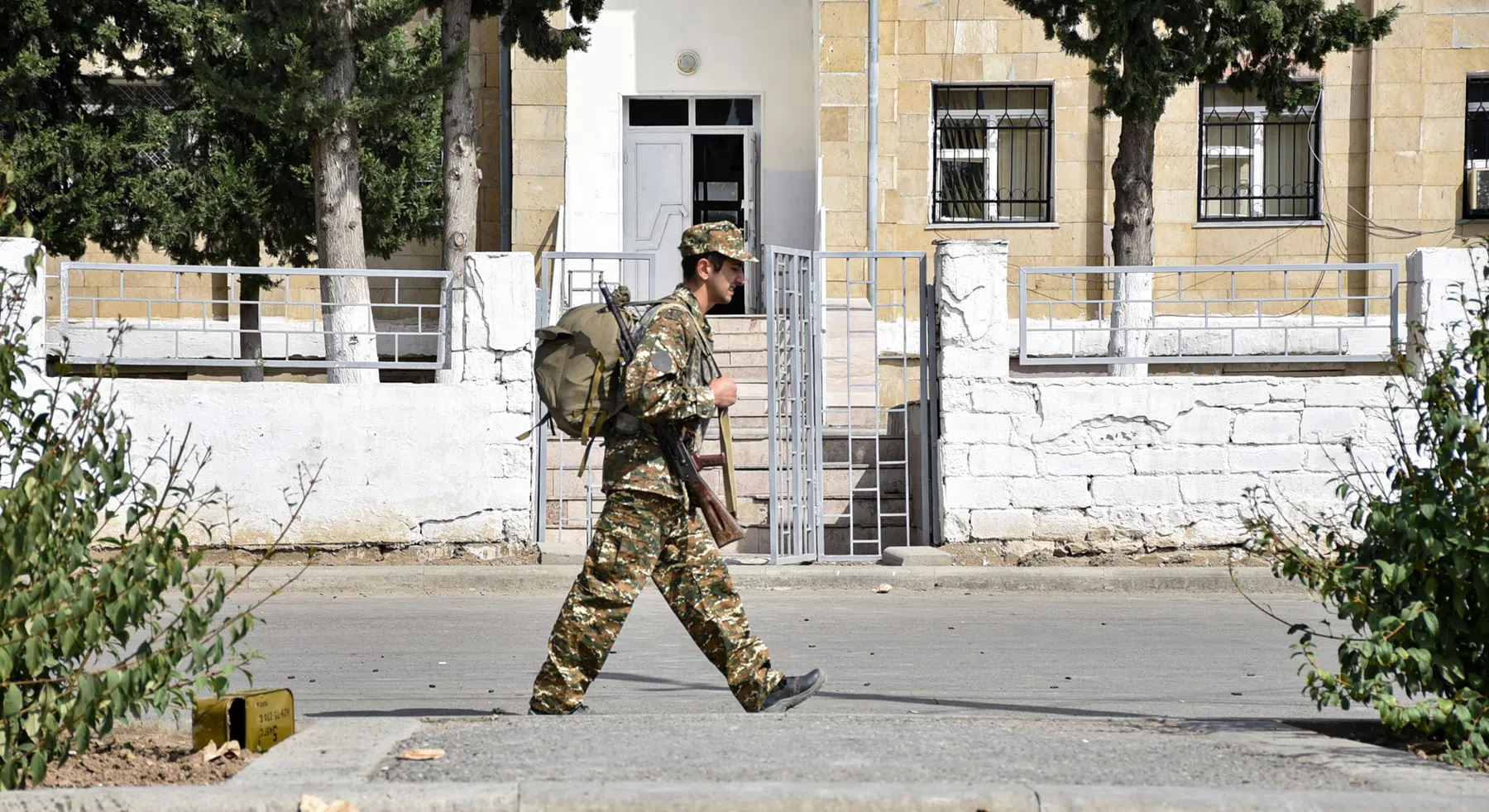
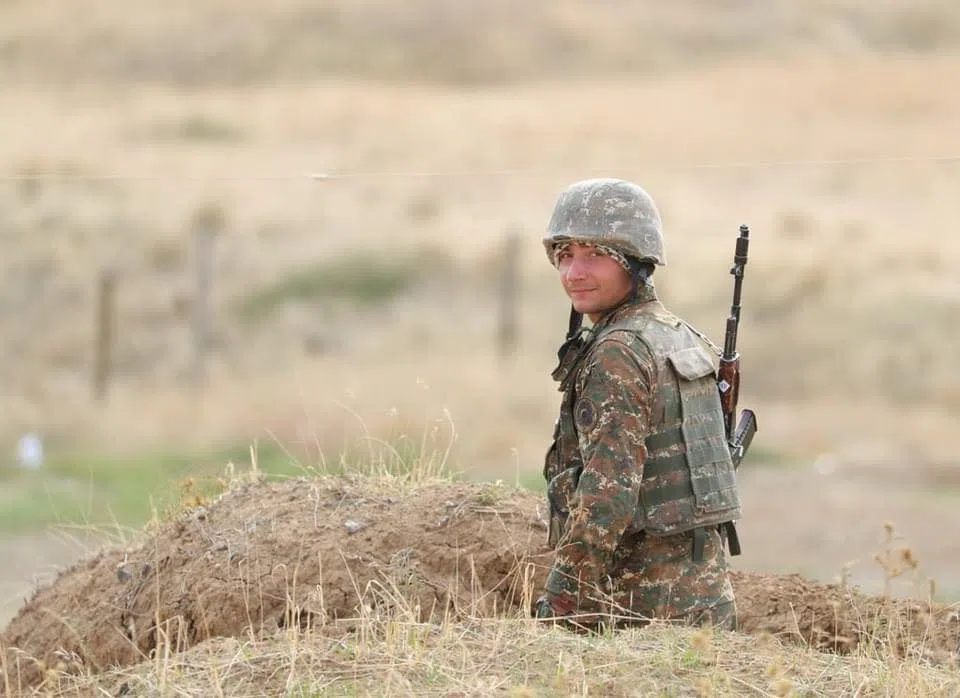
By 1989, political confrontation had increasingly become armed confrontation.
Local Armenian groups organized to defend villages and transport routes. Azerbaijani groups also formed armed units and sought to establish control over contested settlements.
Weapons were obtained through black markets, theft, transfers from Soviet military stocks, and other channels.
The availability of Soviet military equipment became especially important as central control weakened.
Direct Soviet administration
In January 1989, Moscow placed Nagorno-Karabakh under a special administrative arrangement intended to reduce tensions.
The measure did not produce a lasting settlement.
Armenian leaders continued demanding unification or self-determination, while Azerbaijan maintained that Nagorno-Karabakh was part of its republic.
In December 1989, the legislatures of Soviet Armenia and Nagorno-Karabakh issued a declaration concerning reunification.
Azerbaijan rejected the declaration.
The constitutional dispute remained unresolved.
Blockades and transportation disruptions
Roads and railways became instruments of pressure.
Armenia's access to routes through Azerbaijan was increasingly restricted, and Nagorno-Karabakh's Armenian population faced serious transportation difficulties.
Azerbaijani settlements and communities also experienced isolation and disruption.
These measures affected fuel, medicine, food, construction materials, and ordinary commerce.
In a mountainous region with limited road access, even partial transportation restrictions could have serious humanitarian consequences.
The conflict was becoming not only a struggle over political authority but also a struggle over physical access to territory.