Armenian and Azerbaijani Cultural Heritage During and After the War
The conflict affected a region containing centuries of Armenian and Azerbaijani cultural history.
Armenian heritage
Armenian religious and cultural landmarks in the wider Karabakh region include Gandzasar Monastery, Dadivank, Amaras Monastery, and numerous churches, chapels, khachkars, and historical cemeteries.
These sites provide material evidence of Armenian Christian communities and institutions across different historical periods.
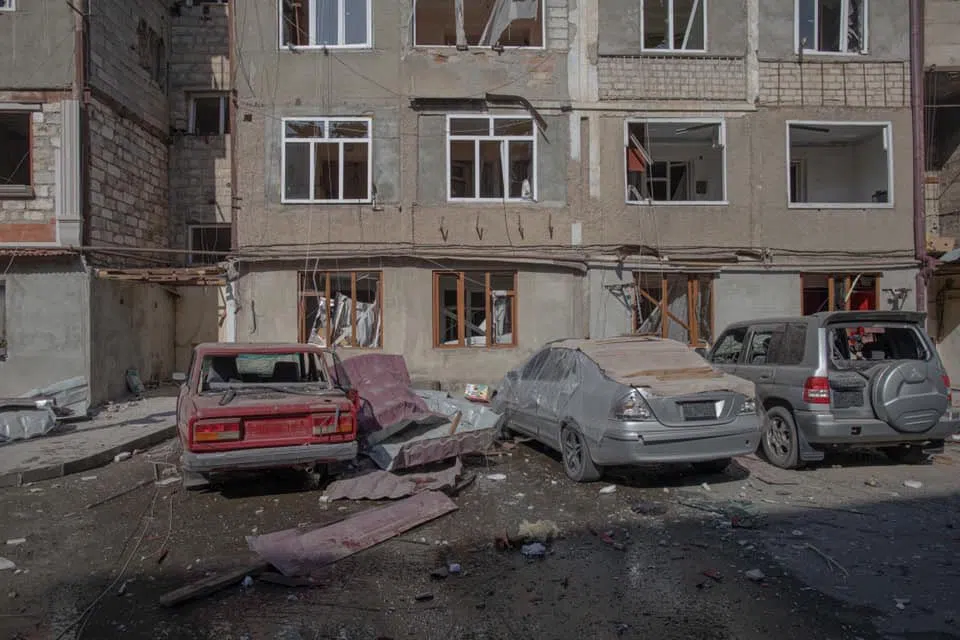
Some monuments suffered damage or neglect during the conflict and subsequent decades.
Their preservation became closely associated with Armenian concerns over cultural continuity.
Azerbaijani heritage
Shusha was a major center of Azerbaijani literature, music, architecture, and cultural history.
Azerbaijani mosques, mausoleums, historic houses, cemeteries, and other monuments were also affected by warfare, abandonment, vandalism, and prolonged lack of maintenance.
The destruction or deterioration of cultural property deepened Azerbaijani grievances over the territorial outcome.
Historical preservation and competing narratives
The existence of Armenian or Azerbaijani monuments establishes important historical connections, but cultural heritage alone does not determine modern sovereignty.
A responsible historical record should identify monuments according to reliable archaeological, architectural, epigraphic, and documentary evidence.
The protection of religious and cultural sites should not depend on which community currently controls the territory.