The Economic Consequences for Armenia and Azerbaijan
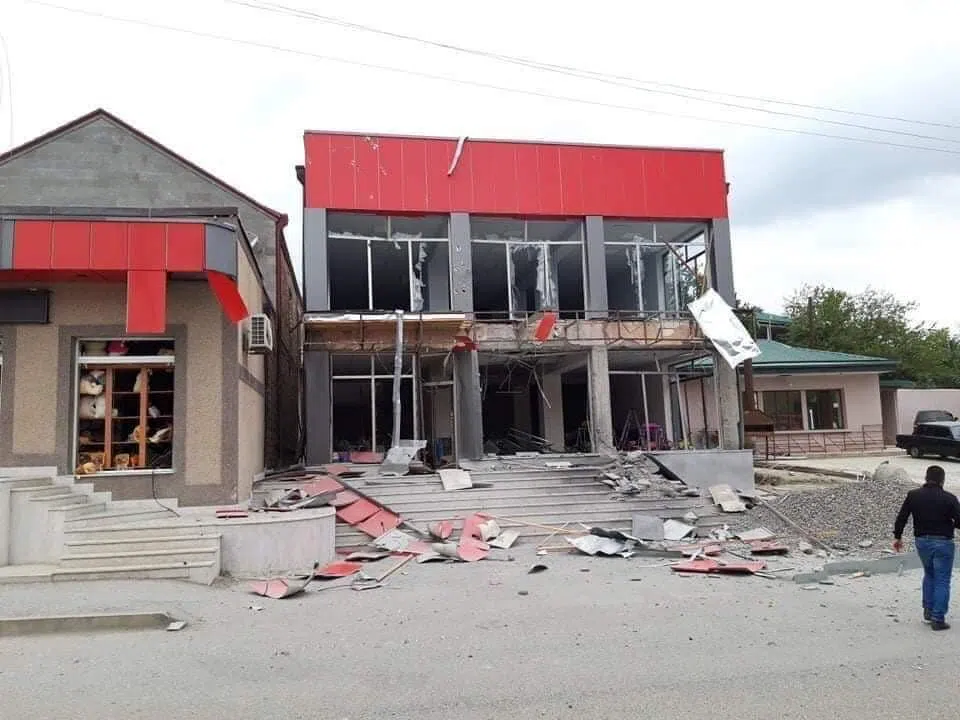
The war devastated economic activity in both countries.
Armenia
Armenia faced severe transportation and energy problems.
The disruption of Soviet economic networks, the closed borders with Azerbaijan and Turkey, and the collapse of centralized supply systems created widespread hardship.
Electricity shortages became common.
Industrial production declined sharply, and households struggled with heating, transportation, and employment.
The country also had to support large numbers of refugees while recovering from the 1988 earthquake.
Azerbaijan
Azerbaijan experienced major economic instability during the transition from Soviet rule.
The war damaged agricultural districts, disrupted transportation, and displaced large populations.
Refugees and internally displaced persons required housing, employment, medical services, education, and government assistance.
The loss of productive agricultural land and industrial infrastructure imposed substantial economic costs.
Azerbaijan's petroleum resources eventually helped finance state reconstruction and military development, but the immediate postwar years were marked by severe social and economic pressures.
Nagorno-Karabakh
The region's economy was severely damaged.
Factories, farms, schools, and infrastructure required reconstruction.
The loss of population and disruption of transport links weakened commercial activity.
The self-proclaimed republic depended heavily on financial assistance, supplies, and investment from Armenia and the Armenian diaspora.
Landmines and unexploded ordnance complicated reconstruction and agricultural recovery.