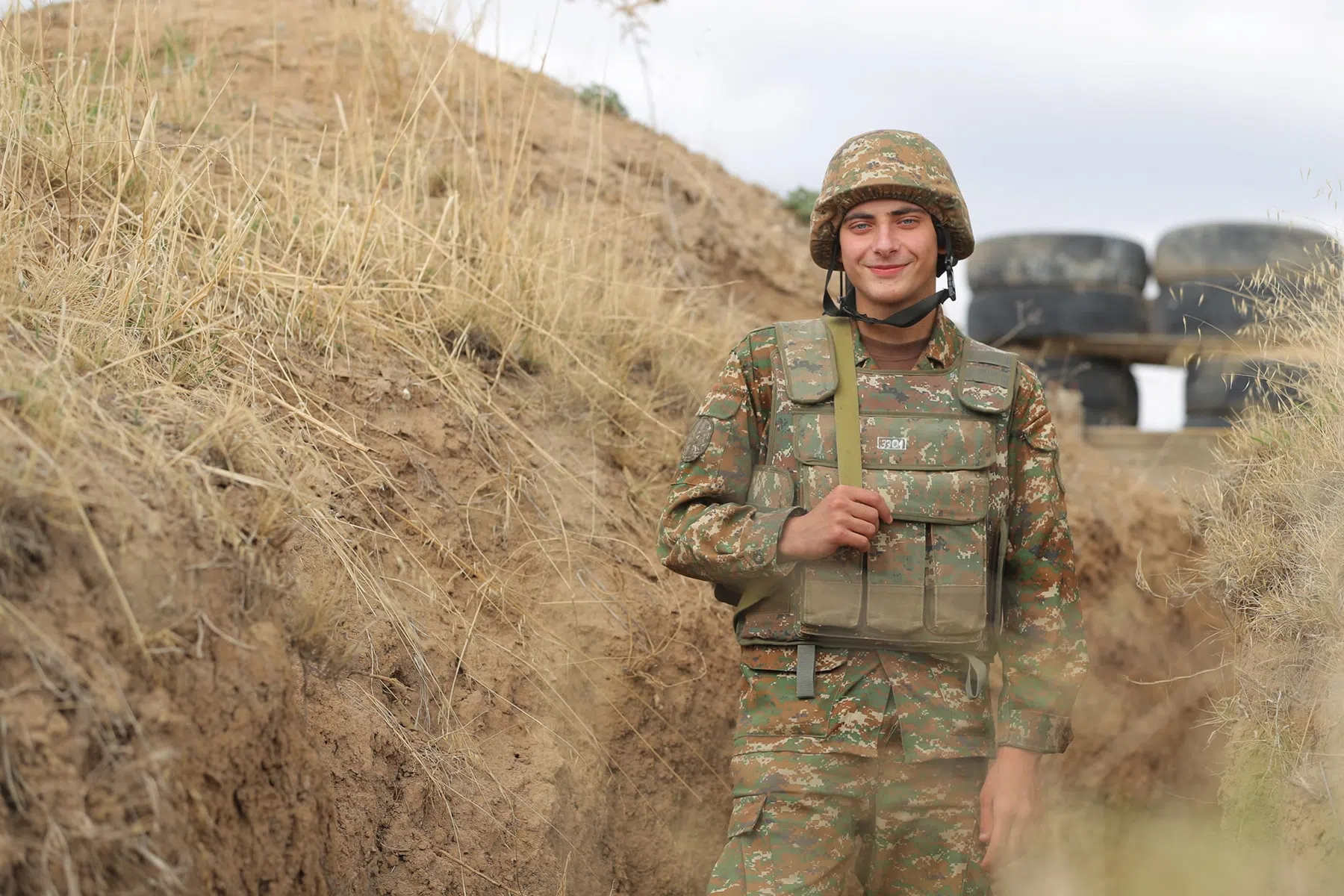
The Armenian Defensive Recovery, Late 1992
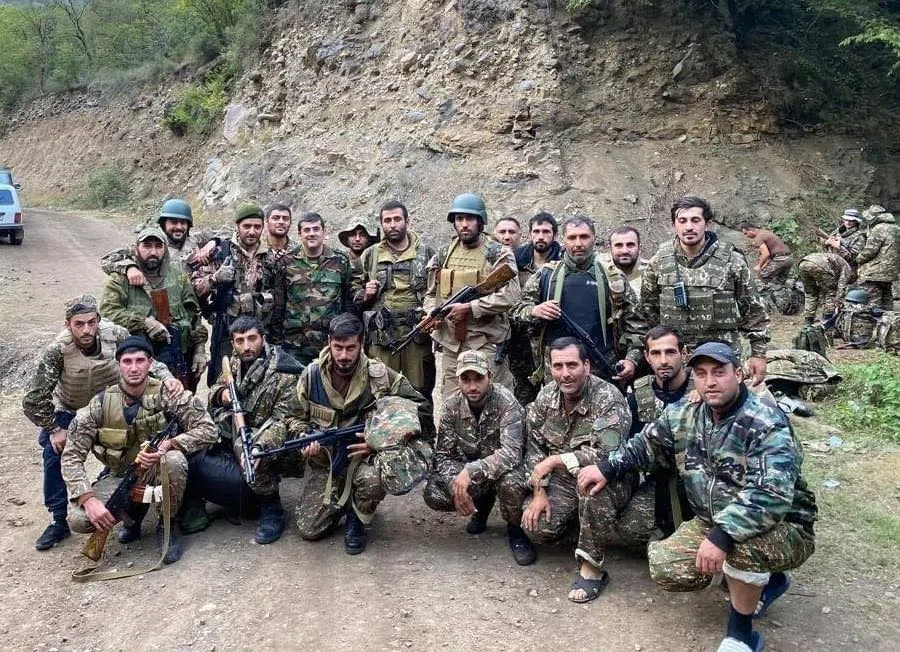
By the second half of 1992, Armenian forces began reorganizing their defenses.
The development of more coordinated military command structures improved their ability to respond to Azerbaijani attacks.
Local commanders worked to consolidate previously fragmented units.
The defense of Armenian-held territory increasingly depended on controlling mountain approaches, supply roads, and strategically important settlements.
The role of geography
Nagorno-Karabakh's mountainous terrain favored forces capable of defending elevated positions and narrow routes.
Azerbaijani mechanized forces could achieve significant advances in more accessible areas, but sustaining those gains required secure supply lines and coordinated infantry support.
Armenian units exploited their familiarity with local terrain and increasingly organized counterattacks.
The recapture of territory
From late 1992 into early 1993, Armenian forces recovered territory in parts of northern Nagorno-Karabakh, particularly in the Mardakert sector.
The fighting was costly.
Both sides suffered substantial casualties, and repeated changes in control devastated settlements.
The war increasingly became a contest of military organization, logistics, manpower, and political endurance.