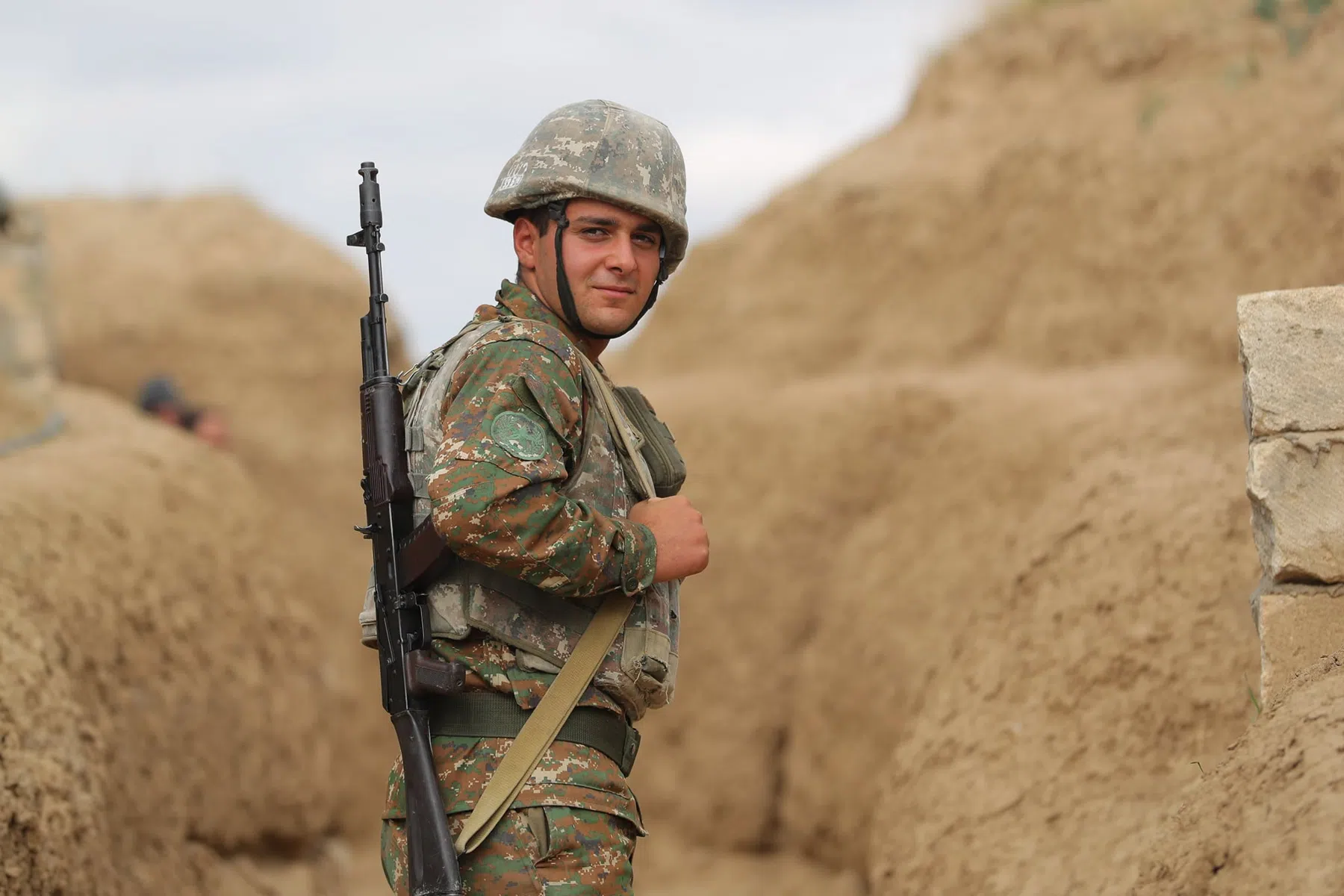
The Kelbajar Offensive, March–April 1993
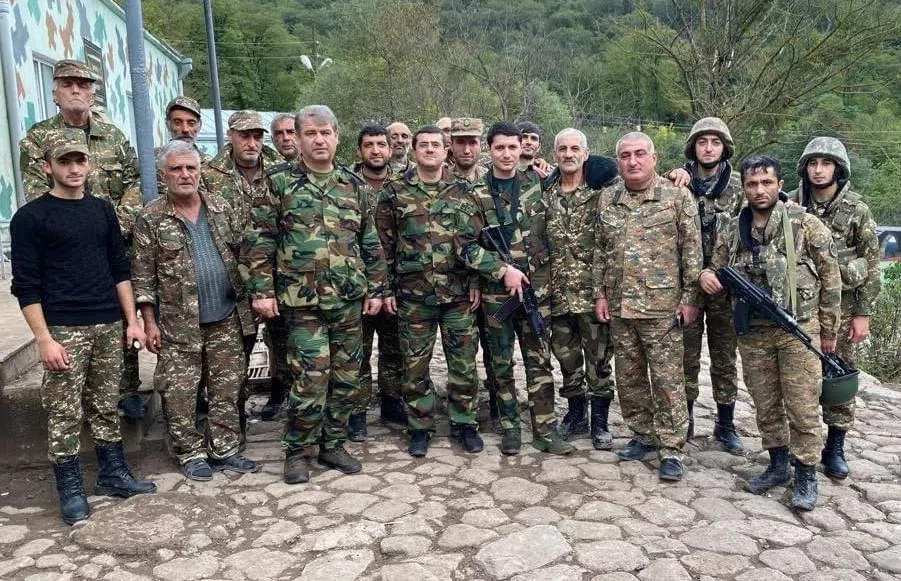
The capture of Kelbajar, known in Armenian as Karvachar, was a major turning point.
Kelbajar was a mountainous Azerbaijani district west of Nagorno-Karabakh, between the former autonomous oblast and Armenia.
Its geography made it strategically important.
Armenian commanders argued that control of the district was necessary to prevent attacks on Armenian positions and secure communications.
In late March 1993, Armenian forces launched an offensive.
By early April, they had captured the district.
The displacement of civilians
The operation caused the mass displacement of the district's Azerbaijani and Kurdish civilian population.
Many civilians fled through mountainous terrain under extremely difficult conditions.
Cold weather, limited transportation, and insecurity worsened the humanitarian emergency.
Human-rights organizations documented abuses associated with the offensive and the forced displacement of civilians.
International reaction
The capture of Kelbajar drew strong international condemnation because the district lay outside the former Nagorno-Karabakh Autonomous Oblast.
On April 30, 1993, the United Nations Security Council adopted Resolution 822.
The resolution expressed concern over the invasion of Kelbajar and demanded the withdrawal of occupying forces from the district and other recently occupied areas.
It also called for a ceasefire and the resumption of negotiations.
The resolution was the first of four Security Council resolutions adopted during 1993 concerning the expanding conflict.
The capture of Kelbajar demonstrated that the war had developed far beyond the original dispute over the autonomous oblast.