The OSCE Minsk Process and the Search for Peace
In 1992, the Conference on Security and Cooperation in Europe, later renamed the Organization for Security and Co-operation in Europe (OSCE), established a diplomatic framework for resolving the conflict.
The process became known as the Minsk Process.
Although a proposed international conference in Minsk did not take place as originally envisioned, the diplomatic framework continued.
From 1997, France, Russia, and the United States served as the three co-chairs of the Minsk Group.
Principal issues in negotiations
The negotiations addressed several interconnected questions:
- The final political status of Nagorno-Karabakh.
- The withdrawal of Armenian forces from surrounding Azerbaijani districts.
- Security guarantees for the Armenian population.
- A secure connection between Armenia and Nagorno-Karabakh.
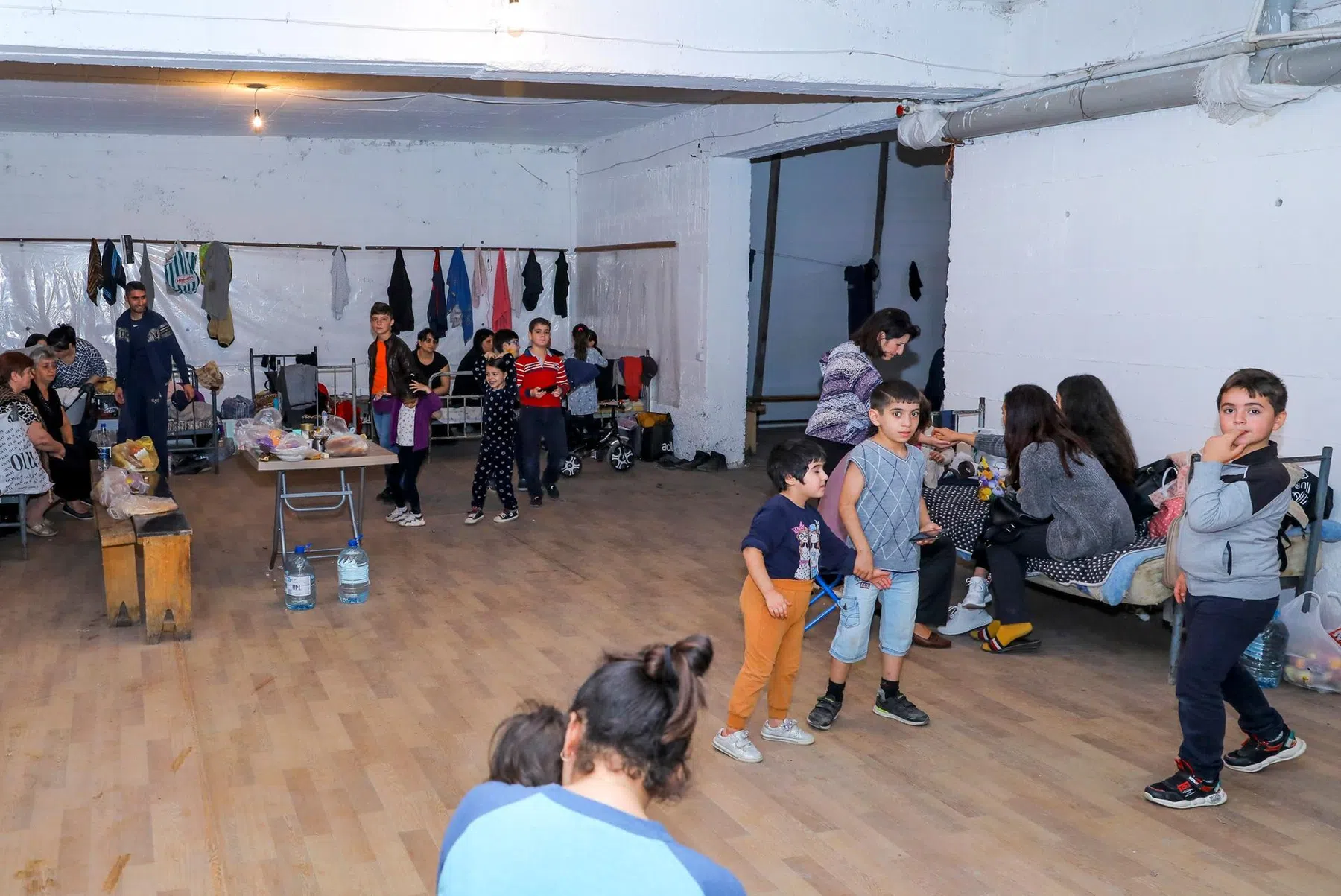
- The return of refugees and internally displaced persons.
- International monitoring and possible peacekeeping arrangements.
- The restoration of transportation and economic links.
The parties disagreed over the order in which these issues should be resolved.
Azerbaijan generally emphasized the restoration of territorial control before a final settlement of status.
Armenian leaders emphasized enforceable security guarantees and self-determination before relinquishing strategically important positions.
These disagreements repeatedly obstructed negotiations.
The Minsk Process continued for decades without producing a comprehensive settlement. The OSCE formally closed the Minsk Process and related structures in 2025.
OSCE